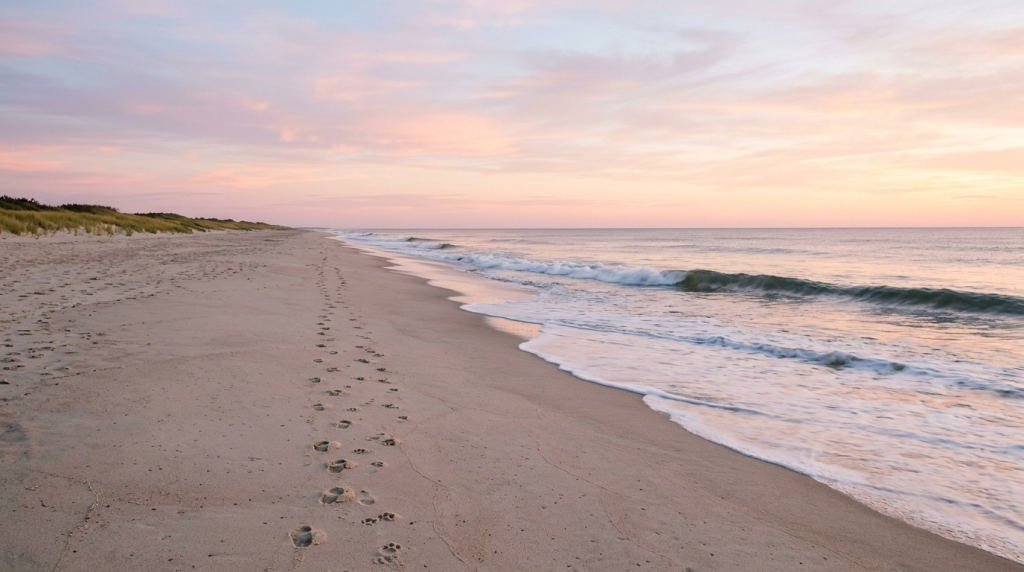
The Hamptons carry a reputation for glamour, but the stretch between Southampton and Amagansett is often quieter than most first-time visitors expect, especially outside of a handful of peak summer weekends. A little planning turns it into a low-key coastal escape.
This overview covers the basics that make a two- or three-night trip feel unhurried: choosing a village, deciding how much to drive, and building a light itinerary that leaves room for slow mornings and long walks on the beach.
Choosing a Village to Base Yourself In
Southampton village is walkable, with independent shops and cafes clustered around a compact main street. Beaches sit a short drive or bike ride away. It works well for travelers who want to leave the car parked most of the trip.
Bridgehampton and Sag Harbor split the difference between village life and countryside. Bridgehampton is quieter and greener; Sag Harbor has a working harbor and a walkable center anchored around the water. Both give access to Sound-side and ocean beaches without long drives.
East Hampton and Amagansett feel more residential, with narrower streets, older tree cover, and beaches within a mile of most rentals. Weekend crowds thin out here compared with the western villages, especially in the shoulder season.
Ranking Priorities Before You Book
Walkability, beach type, and drive tolerance are the three variables that most reliably shape a trip. Naming your top priority up front makes it easier to compare properties without getting distracted by unrelated features.
Getting There and Getting Around
The Hamptons sit about two hours east of New York City by car in light traffic. Summer Friday and Sunday evenings run considerably longer. Weekday arrivals and departures avoid the worst of the crowd.
The Long Island Rail Road and the Jitney bus both serve most villages. Either works well if your base is walkable and you plan to stay near the village for most meals. Renting a car for one or two days adds flexibility for beach hopping.
Bikes are a good complement to any base. Village-to-beach routes are relatively flat, and most rental shops carry beach cruisers with basket space for towels and small coolers.
Building a Two- or Three-Day Rhythm
A useful default is one beach block per day, one relaxed meal out, and one walk or drive that ends somewhere unfamiliar. That is enough structure to feel like a trip without turning it into a checklist.
Mornings tend to work well for beach time. Winds are lighter, parking is easier, and the sun is gentler until midday. Afternoons open up for farm stands, bookshops, or a short drive to a neighboring village.
Evenings on the East End are often the highlight. Long light lingers well past eight in midsummer, and outdoor dining spaces let you stretch a meal without rushing back to the rental.
Where Downtime Fits
Building in unstructured time is what separates a restful weekend from a rushed one. An afternoon on a porch with a book, or a slow walk into town for coffee, tends to be what travelers remember months later.
Seasons and What They Bring
Late spring feels cool and quiet. Restaurants are open with lighter reservation books, beaches are largely empty, and the ocean is still cold enough to keep swimmers close to shore. It is a good stretch for walkers and cyclists.
Midsummer is warm and social. Reservations tighten, parking near beaches fills fast, and roads carry more traffic. Weekday visits during this window still feel calmer than weekends.
Early fall is a favored season for return visitors. The water stays warm, farm stands hit peak variety, and evenings turn crisp. Many travelers shift their trip planning to September and October for this reason.
Making a Longer Trip Feel Easy
People considering more time on the East End often research vacation getaways in the Hamptons before deciding how many nights make sense. A quick pass through a few village comparisons tends to make the decision easier than reading one general overview.
A good weekend in the Hamptons is less about hitting landmarks and more about matching your pace to the coastline. Choose a village that suits your rhythm, keep the plan light, and let the East End do most of the work.