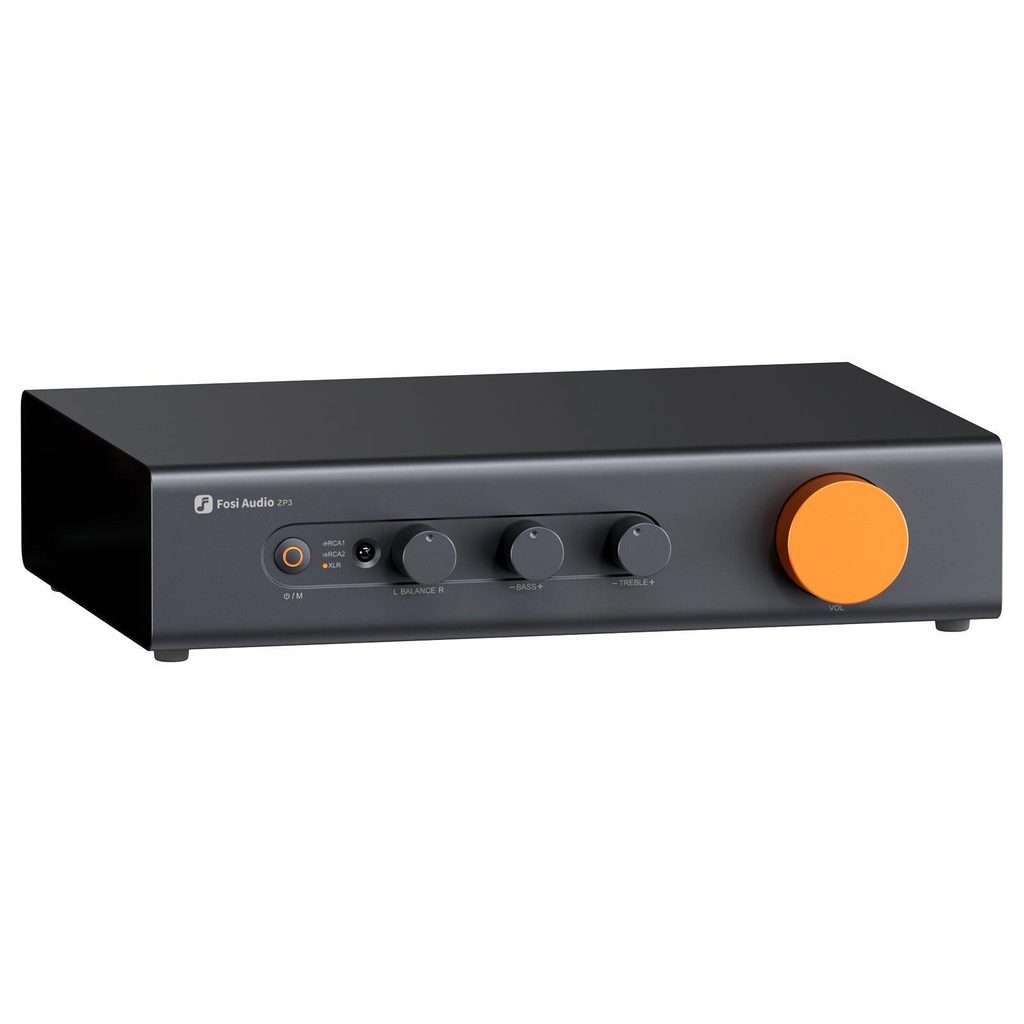
A phono stage is one of the cheapest boxes in hi-fi, and also one of the most confusing to shop for. Listings brim with gain figures, loading options, and claims about warmth, and very little of it helps a first-time buyer. The truth is simpler: three questions decide almost everything, and this guide asks them in order.
First, what cartridge do you own? Second, how much gain does it need? Third, which features will you actually use? Answer those and most listings eliminate themselves. Along the way we will show how good phono preamplifiers earn their price and how mediocre ones hide behind impressive numbers. Our promise is modest: by the end, you will know what to buy and what to ignore, and you will not need a second guide. The best phono preamplifiers are rarely the most expensive ones.
Start With Your Cartridge
Everything begins with the cartridge, because it decides the gain and loading your stage must provide. Moving magnet cartridges are the default in most turntables and need moderate gain. Moving coil cartridges need much more, and low-output moving coils need the most of all. Find your cartridge type on the cartridge body, the turntable manual, or the manufacturer’s site before you look at a single stage.
If you cannot identify the cartridge, a stage with switchable gain covers both families and removes the risk. That flexibility is worth paying for when you are unsure, and worthless when you already know. Either way, the cartridge answers first, and the stage follows. Shopping in the other direction is how people end up with a beautiful box that cannot drive their deck. In short, phono preamplifiers should be chosen for the cartridge, not the other way around.
Gain, Loading, and Noise
Gain is measured in decibels and tells you how much louder the signal gets. Moving magnet cartridges typically need around 40 dB; moving coil designs need 60 dB or more. A stage with too little gain leaves music quiet and forces you to crank the amplifier, which raises noise. A stage with far too much gain risks distortion on loud passages. Match the number to your cartridge and the problem disappears.
Loading is the second adjustment, and it matters most for moving magnet cartridges, where capacitance shapes the treble response. Most listeners can leave it at the default and be happy. For noise, look at the quoted signal-to-noise figure instead: it shows how silent the circuit remains during quiet passages, which matters most with sensitive speakers. When reviewers praise phono preamplifiers, clean gain and low noise are usually what they mean.
Features Worth Paying For
A few features genuinely earn their price. Switchable gain covers cartridge upgrades without buying a new box. Adjustable loading lets you fine-tune a moving magnet cartridge’s treble. A subsonic filter removes low-frequency rumble from warped records, which also protects your speakers. A mono switch is a quiet joy for old mono pressings. None of these are essential on day one, but each one solves a real problem you may meet later.
The pattern is clear: pay for adjustments that match your records and your cartridge, not for decoration. A stage with three useful switches beats a stage with a glowing display and none. That is why experienced buyers rank phono preamplifiers by their adjustments, not their appearance.
- Switchable gain: future-proof for cartridge upgrades
- Adjustable loading: fine-tune treble response
- Subsonic filter: tames warped-record rumble
What to Skip
Skip the rest with confidence. Gold-plated everything, exotic casework, and boutique capacitors make fine marketing and inaudible differences in a normal system. A display that shows the gain setting is nice for a week and ignored forever after. And be wary of any stage that promises a house sound without explaining it: a phono stage should be accurate, not an effects box.
The money you save by skipping decoration buys the things that matter: a better cartridge, better records, or simply more music. If a seller cannot explain a feature in terms of your cartridge or your records, it is not a feature, it is a price tag. Good phono preamplifiers are honest about what they do, and they do it quietly.
Buy for the cartridge, match the gain, pay for adjustments you will use, and skip the decoration. Do that and your records will reward you every time the needle drops.
A final word on budget: a phono stage is one place where the middle of the market is genuinely strong. Very cheap units can skimp on power supply filtering and show it as hum, while very expensive ones often sell casework and prestige rather than better sound. The sweet spot for most listeners sits in the middle, where the money goes into the circuit, the power supply, and the switches you will actually use. Spend there, and spend the rest of your budget where it is audible: the cartridge, the records, and the speakers.