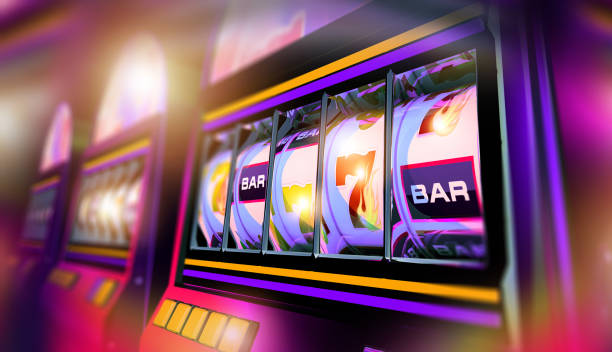
3D animation is changing the visual direction of modern online slot games by giving developers more freedom with depth, movement, characters, objects, and scene transitions. Instead of relying mainly on flat symbols and fixed backgrounds, many newer titles can use layered environments, animated models, moving cameras, and detailed visual effects.
This approach gives slot interfaces a more active appearance while also supporting clearer visual communication. Three-dimensional elements can show changes in perspective, separate foreground and background activity, and make certain symbols or features easier to notice. As graphics technology becomes more capable across browsers and mobile devices, 3D animation is opening new creative options for slot development.
3D Animation Adds More Depth to Reel Presentation
Traditional slot interfaces often rely on flat reel grids placed over static or lightly animated backgrounds. Three-dimensional graphics can make these elements appear more layered.
Depth can help separate the main reel area from scenery, characters, and interface controls.
Reels Can Appear as Part of a Larger Scene
Instead of looking like a flat panel, reels can be presented as objects placed within a themed setting.
A reel structure may appear inside a machine, building, stage, vehicle, or other visual setting. Objects can move in front of or behind the reels to create a clearer sense of space.
This layering allows developers to organise visual information while giving the interface a more distinctive appearance.
3D Characters Can Show More Detailed Reactions
Characters are one of the areas where 3D animation can make a strong visual difference.
Three-dimensional models can move through space, change posture, turn toward different parts of the screen, and display detailed facial reactions.
Character Movement Can Support Screen Activity
A character may look toward a special symbol, move closer to the reels, interact with an object, or react when another stage begins.
These actions can help guide attention toward important areas.
3D characters can also use movement that fits the setting. A figure may pick up an object, open a door, activate a machine, or move through the scene when a feature starts.
This makes character behaviour feel more connected to the activity taking place on the screen.
Camera Movement Creates New Ways to Present Features
One of the major advantages of 3D graphics is the ability to move the virtual camera.
A flat interface normally keeps the same viewing angle, while a 3D scene can change perspective.
Camera Motion Can Mark Important Transitions
The camera may move closer to a symbol, shift toward another part of the environment, or pull back to reveal a larger scene.
These transitions can help communicate that the game has entered another stage.
Common camera effects can include:
- Slow zooms toward active objects
- Sideways movement across the scene
- Pull-back effects revealing additional elements
- Short rotations around a character or object
- Perspective changes between different sections
- Camera movement linked to feature transitions
Controlled camera movement can make changes easier to recognise without requiring additional text.
3D Symbols Can Use More Complex Movement
Three-dimensional symbols can move in more ways than flat icons.
They can rotate around several axes, move toward or away from the viewer, break apart, open, transform, or interact with other objects.
Symbol Animation Can Make Changes Easier to See
A special icon may rotate before changing form. Another object may move forward from the reel grid before triggering a visual sequence.
Symbols can also use depth to show priority. An active icon may move slightly forward while less important elements remain farther back.
This helps create a clearer visual hierarchy.
When several symbols react at once, careful timing can show which event happens first and what follows next.
Lighting Effects Become More Flexible in 3D Scenes
Lighting is another area where three-dimensional graphics offer more creative control.
Developers can place virtual light sources around characters, symbols, and scenery to create focused highlights.
Light Can Direct Attention Toward Important Areas
A symbol may receive stronger illumination when it becomes active. A character may move from a darker area into a brighter section during a transition.
Lighting can also change with different stages.
For example, a calm scene may use softer illumination, while another section may introduce stronger highlights or moving light effects.
These changes help separate one visual state from another while keeping the central information readable.
3D Environments Can React to Game Events
Backgrounds no longer have to remain distant or static.
Three-dimensional scenery can contain objects that respond directly to activity on the reels.
Environmental Objects Can Become Part of the Action
A door might open when a feature begins. A platform could move, lights may activate, or objects in the scene may change position.
These reactions create a stronger connection between the reel area and the setting.
Environmental animation can also indicate progress. As activity develops, more objects may appear or parts of the scene may change.
This gives the background a practical role in visual communication.
Particle and Physics Effects Add More Movement
3D graphics can also support particles and simulated physical motion.
Objects can fall, bounce, scatter, float, or move in ways that resemble real physical behaviour.
Small Effects Can Make Visual Feedback Clearer
Particles such as sparks, light fragments, smoke, dust, or floating shapes can appear around important events.
Objects may also react when they collide or move through the scene.
These effects are often used to support:
- Symbol transformations
- Character actions
- Scene transitions
- Reel changes
- Progress updates
- Special feature activation
Used carefully, they can make screen changes more noticeable without covering essential information.
Mobile Hardware Is Supporting More 3D Content
Modern phones and tablets can process far more graphical information than earlier mobile devices.
This has allowed developers to use more detailed 3D elements while still adapting content for smaller screens.
Graphics Can Scale According to Device Capability
A mobile version may use fewer particles, simpler lighting, or shorter camera movements than a desktop version.
Models and textures can also be adjusted to reduce processing demands.
This flexible approach helps keep animation smooth across different hardware levels while preserving the main visual identity.
Conclusion
3D animation is giving online slot developers more creative freedom in how reels, characters, symbols, backgrounds, lighting, and transitions appear on screen.
Depth makes it possible to separate visual layers more clearly, while camera movement and character animation can guide attention toward important events. Three-dimensional symbols, environmental reactions, particle effects, and flexible lighting also create new ways to communicate changes.
As graphics technology continues to improve, 3D animation will remain an important part of modern slot development. Its strongest use comes from purposeful movement, clear timing, and visual structure that helps make complex screen activity easier to follow.