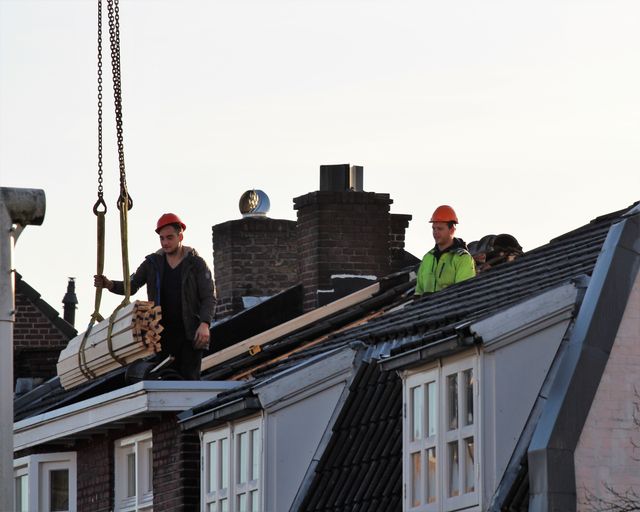
When you purchase a new home, protecting your investment quickly becomes a top priority. While many homeowners focus on the foundation, plumbing, and electrical systems, the roof often receives less attention despite being one of the most important protective barriers on the property. A quality roof replacement completed at the right time can help shield your home from water damage, structural deterioration, and costly repairs for decades. Understanding the long-term benefits of roof replacement can help new homeowners make informed decisions about this significant investment.
Understanding the Role of Your Roof in Home Protection
Your roof serves as the first line of defense against rain, wind, snow, hail, and ultraviolet radiation. Every day, roofing materials are exposed to environmental conditions that gradually wear them down over time. As shingles age and protective components deteriorate, your home’s ability to resist moisture intrusion can become compromised.
When water finds its way beneath roofing materials, it can damage insulation, weaken wooden framing, stain ceilings, and create conditions that support mold growth. What begins as a small roofing issue can eventually affect multiple areas of the home and result in extensive repair costs.
A properly installed replacement roof restores this essential layer of protection, helping safeguard both the structure and interior of your home. For new homeowners, understanding the role the roof plays in overall property protection highlights why maintaining or replacing it should be a priority.
How Roof Age Impacts Your Home’s Vulnerability
Most asphalt shingle roofs have an expected lifespan of approximately 15 to 25 years, depending on weather conditions, maintenance practices, and installation quality. As roofs age, shingles often lose protective granules, develop cracks, curl at the edges, or become brittle.
These changes may appear minor initially, but they can significantly increase the risk of leaks and moisture intrusion. Even moderate storms can expose weaknesses in older roofing systems, allowing water to penetrate beneath the surface.
For homeowners who recently purchased an existing home, a professional roof evaluation can provide valuable information about the roof’s condition and estimated remaining lifespan. If a roof is approaching the end of its service life, planning a replacement before major issues develop is often more practical and cost-effective than waiting for failure to occur.
The Financial Benefits of Timely Roof Replacement
Replacing a roof before serious damage develops can save homeowners substantial amounts of money over time. Roof leaks rarely stay confined to a single area. Water can spread through insulation, drywall, attic spaces, and structural components, creating damage that extends far beyond the roofing system itself.
Repairing widespread water damage often costs significantly more than replacing an aging roof proactively. In addition, recurring repairs on an older roof can become increasingly expensive as materials continue to deteriorate.
A roof replacement also contributes to preserving property value. Potential buyers are often hesitant to purchase homes with aging roofs because they anticipate future replacement costs. A recently installed roof can improve marketability and reassure future buyers that a major home system has already been updated.
Selecting the Right Roofing Material for Long-Term Protection
Choosing the right roofing material plays an important role in maximizing long-term protection. Asphalt shingles remain a popular choice because they provide dependable performance at a relatively affordable price. However, homeowners seeking greater durability may consider options such as architectural shingles, metal roofing, or tile systems.
Metal roofs often last 40 to 70 years and provide excellent resistance to wind and severe weather. Architectural shingles typically offer improved durability compared to standard asphalt products, while tile roofing can deliver exceptional longevity when properly installed.
Climate should also influence your selection. Homes in areas prone to extreme heat, hail, heavy snow, or strong winds may benefit from materials specifically designed to withstand those conditions.
When evaluating regional weather patterns and performance expectations, homeowners frequently work with roofing replacement professionals to identify materials that provide the best balance of durability, appearance, and long-term value.
Professional Installation and Inspection as Protective Safeguards
Even the highest-quality roofing materials cannot perform effectively without proper installation. Professional roofing contractors ensure that critical components, including underlayment, flashing, ventilation systems, and drainage features, are installed according to manufacturer specifications and local building codes.
Ventilation is particularly important because excessive attic heat and moisture can reduce the lifespan of roofing materials from beneath the surface. Proper airflow helps regulate temperatures and prevent moisture accumulation that could contribute to premature deterioration.
Regular inspections following roof replacement also help protect your investment. Professional evaluations can identify small issues such as damaged flashing, loose shingles, clogged drainage systems, or storm-related wear before they develop into larger problems.
Establishing an ongoing relationship with a trusted roofing professional allows homeowners to monitor roof performance and address concerns early, helping extend the life of the roofing system.
Increased Energy Efficiency and Comfort
A new roof can also improve your home’s energy efficiency. Modern roofing systems frequently incorporate advanced underlayment, ventilation technologies, and reflective materials that help reduce heat transfer.
During warmer months, these improvements can decrease attic temperatures and reduce strain on air conditioning systems. During colder weather, better insulation and improved sealing help retain conditioned air within the home.
The result is a more comfortable indoor environment and potentially lower utility bills throughout the year. These efficiency improvements provide additional value beyond the roof’s protective capabilities.
Peace of Mind for New Homeowners
One of the greatest benefits of roof replacement is the peace of mind it provides. New homeowners often face numerous maintenance responsibilities, and knowing that one of the home’s most important systems has been updated can significantly reduce stress.
Instead of worrying about hidden leaks, storm damage, or unexpected repairs, homeowners can focus on enjoying their property and planning for future improvements. Many modern roofing systems also include manufacturer warranties that provide additional confidence in the investment.
This assurance can be particularly valuable during severe weather seasons when homeowners depend on their roofing systems to protect everything beneath them.
Conclusion
A roof replacement is one of the most effective ways to protect your new home for years to come. By preventing water intrusion, reducing the risk of structural deterioration, improving energy efficiency, and enhancing property value, a new roof provides benefits that extend throughout the entire home.
Understanding your roof’s condition, selecting quality materials, and working with experienced professionals can help ensure long-lasting performance and protection. Whether your newly purchased home requires immediate replacement or future planning for an aging roof, prioritizing this investment can help preserve your property’s safety, comfort, and value for decades.