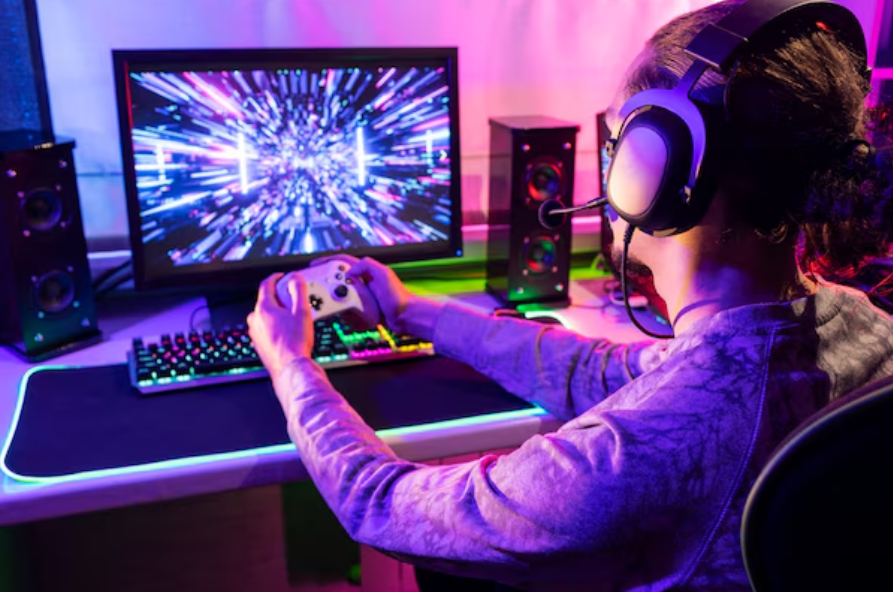
Online gaming has become a major part of modern digital entertainment, with millions of people using computers, consoles, and mobile devices to enjoy interactive experiences.
For many children and teenagers, gaming is not only a form of entertainment but also a way to connect with friends, develop skills, and explore creative digital worlds.
For parents, understanding how online gaming works can make it easier to support healthy gaming habits. Instead of focusing only on the games themselves, it is important to understand the different types of experiences available, how children interact with online communities, and what features can influence the way they play.
Understanding the Different Types of Online Games
The online gaming world includes many different categories, each designed for different interests and age groups. Some games focus on storytelling and exploration, while others are based on strategy, teamwork, puzzles, sports, or competition.
Games Can Offer Different Learning Experiences
Many online games encourage players to think creatively and solve problems. Strategy-based games may require planning, while puzzle games can improve logical thinking. Multiplayer games often involve teamwork, communication, and coordination.
Parents should take time to understand the type of game their child enjoys. Knowing whether a game focuses on creativity, competition, or social interaction can help parents have more meaningful conversations about gaming habits.
Why Communication Matters in Online Gaming
One of the most important parts of modern gaming is the social experience. Many online games allow players to communicate, cooperate, and compete with others from different locations.
Discuss Online Interactions
Children may meet new players through online communities, so open conversations about digital communication are valuable. Parents can encourage children to be respectful, thoughtful, and aware of the information they share online.
Helpful conversations can include:
- Understanding privacy settings
- Being respectful toward other players
- Knowing when to take breaks from conversations
- Asking for help if something feels uncomfortable
Creating a comfortable environment where children can discuss their online experiences helps parents stay involved without making gaming feel like a private activity.
Setting Healthy Gaming Routines
A balanced approach to gaming is an important part of digital wellbeing. Online gaming can be enjoyable, but children also need time for school, physical activities, hobbies, family interactions, and rest.
Creating a Balanced Schedule
Parents can help children create routines that include gaming alongside other daily responsibilities. A clear schedule allows children to enjoy games while maintaining a healthy balance between online and offline activities.
A balanced gaming routine may include:
- Completing important tasks before gaming sessions
- Taking regular breaks during longer sessions
- Maintaining consistent sleep habits
- Making time for outdoor activities and social interactions
The goal is not to remove gaming but to create healthy habits around it.
Learning About In-Game Features
Many online games include different features that shape the overall experience. These may include character customization, virtual items, competitions, rewards, and different gameplay modes.
Parents who understand these features can better understand what attracts their children to certain games.
For example, some games focus heavily on collecting and customization, while others emphasize teamwork or skill development. Even entertainment-focused games such as a slot experience have specific designs, themes, and features that influence how players interact with the game.
Knowing how different systems work allows parents to ask better questions and understand what their children enjoy about gaming.
Understanding Age Ratings and Game Content
Age ratings provide useful guidance for parents when choosing games. They help explain whether a game is suitable based on factors such as themes, language, interaction features, and complexity.
Reviewing Games Before Playing
Parents can explore game descriptions, watch gameplay videos, or try a game themselves to better understand the experience.
Important areas to consider include:
- The type of content included
- Online communication features
- Difficulty level
- The amount of interaction with other players
A game’s rating is a helpful starting point, but personal understanding of a child’s maturity and interests is equally important.
Encouraging Positive Gaming Habits
Gaming can become a positive part of a child’s routine when supported by healthy habits and responsible choices.
Parents can encourage children to:
- Treat other players with respect
- Take breaks when needed
- Maintain balance between gaming and other activities
- Learn from challenges within games
- Use technology responsibly
These habits help children develop a thoughtful approach to digital entertainment.
The Importance of Being Involved
Parents do not need to become expert gamers to support their children. Showing interest and asking questions can make a big difference.
Simple conversations about favorite games, achievements, challenges, and online friends can help parents understand their child’s digital world.
When parents participate in these discussions, gaming becomes an opportunity for connection rather than just screen time.
Conclusion
Online gaming is an important part of today’s digital culture, offering entertainment, creativity, and social interaction. For parents, understanding how games work and how children engage with them is the key to creating a positive experience.
By learning about different game types, encouraging balanced routines, discussing online communication, and staying involved, parents can help children enjoy gaming in a thoughtful and responsible way. A supportive approach allows young players to explore digital spaces while developing healthy habits that can benefit them beyond gaming.