A living room takes shape around a few key pieces, and the TV stand is almost always one of them. It sits at eye level with everything else in the room, holds the screen you look at most evenings, and quietly manages a tangle of cables, remotes, gaming consoles, and streaming boxes that would otherwise clutter the space. Choosing the right one is less about matching a trend and more about understanding how you actually live. Some households want a low, wide silhouette that stretches beneath a large screen. Others need generous storage to hide media accessories, board games, or books. Many want both, along with a design that fits their overall aesthetic without shouting for attention. This guide walks through what a well-made TV stand should offer, how to think about materials and layout, and how to select a piece that will still feel right five or ten years from now. The goal is simple: a stand that works with your room instead of against it.
Function First, Then Form
Before falling for a specific finish or silhouette, think about what your TV stand needs to do. It supports the television, but it also organizes the environment beneath and around it. A well-designed piece manages weight, airflow, and access to cables while offering storage for the devices and small items that gather around any modern setup. Sound bars, streaming sticks, gaming controllers, remotes, and cords all need a home. If a stand ignores these realities, the surrounding space quickly turns messy no matter how careful you are. Start with a checklist of what will live on and inside it, then look for a shape and interior layout that fits. This approach saves you from buying twice and turns a purchase into a long-term solution rather than a quick fix.
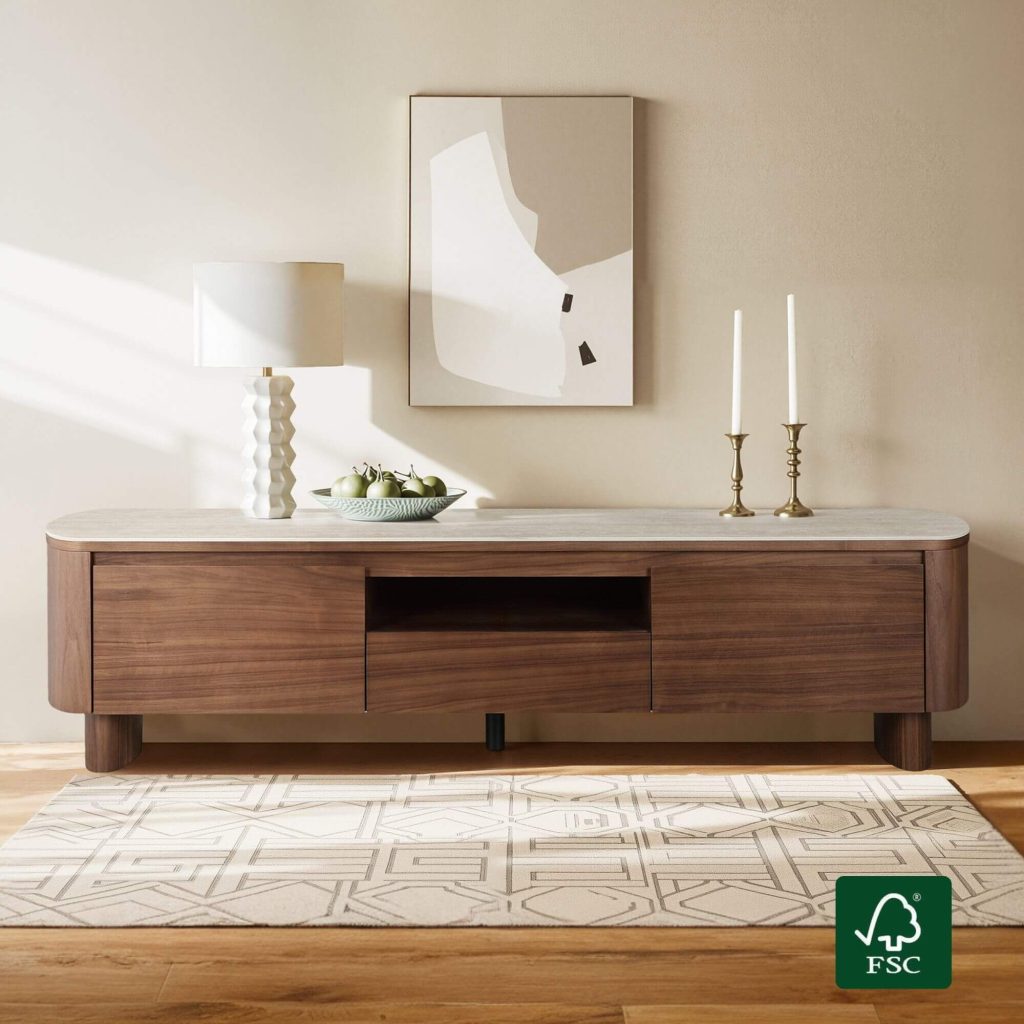
Placement matters as much as the piece itself. Measure the wall, note where outlets sit, and consider sightlines from the sofa. A well-chosen tv stand should extend the visual weight of the screen, not compete with it, and it should leave enough breathing room on either side so the wall does not feel packed. Once you know your dimensions and your storage needs, the design decisions become much easier. You are not choosing between fifty options anymore; you are choosing between the few that genuinely fit your space and daily habits.
Getting the Proportions Right
Proportion is the quiet detail that separates a stand that feels considered from one that feels bulky. A general rule is that the stand should be wider than the television, giving the screen visual room to sit rather than teetering at the edges. Height matters too. When you sit on your sofa, your eye line should fall roughly across the middle of the screen, not above or below it. A stand that pushes the TV too high forces you to look up, which becomes uncomfortable over long stretches. Depth is often overlooked, but it affects how far the stand projects into the room. In tighter spaces, a slimmer profile keeps traffic paths clear; in larger rooms, a deeper stand offers more presence and more storage.
Think also about the visual weight of the piece. A solid, closed-front cabinet reads heavier and grounds the room. An open-shelf design feels airier and highlights what you display. Neither is better; they simply do different things. Rooms that already feel crowded often benefit from lighter, more open pieces. Rooms with high ceilings or minimal furniture can support a more substantial stand without feeling packed. The right proportions will feel almost invisible: nothing juts out awkwardly, the screen looks anchored, and the walk around the piece feels natural.
Materials, Craft, and the Long View
Materials shape both the look and the lifespan of a stand. Solid wood construction offers density and a grain that reveals itself over years of daily use. Wood veneer over a stable core provides a similar visual character with more forgiving behavior in dry or humid rooms. Metal accents can sharpen a design or add contrast, especially in modern interiors. Whatever the material, the details matter: how drawers glide, how doors align, how a shelf holds weight without sagging, how hardware feels in the hand. Brands like CHITA LIVING approach these details with quiet care, treating a TV stand as a piece of everyday furniture rather than a disposable accessory.
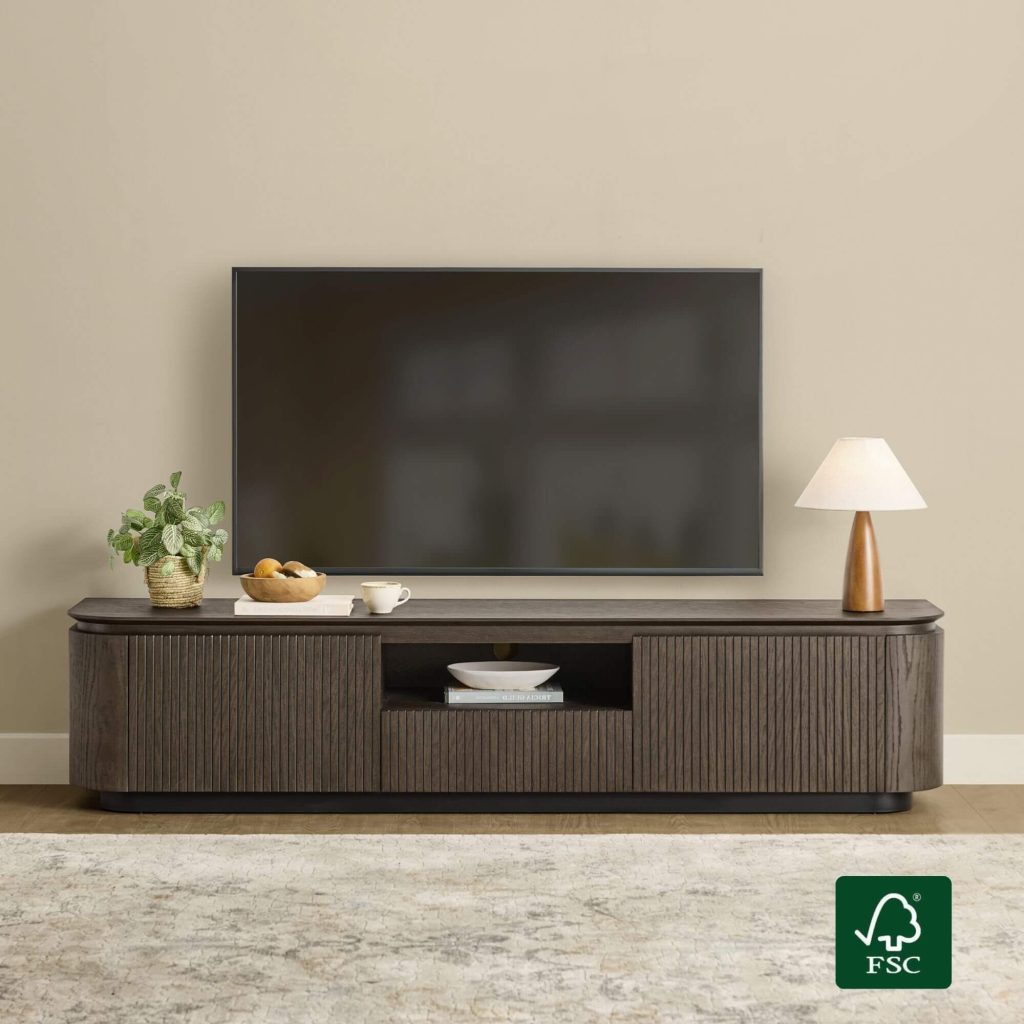
Finish matters just as much. A satin finish softens the wood and hides small marks that come with real life. A high-gloss finish looks sharp but reveals every fingerprint. Neutral tones tend to age gracefully because they carry across changing decor around them. Bolder finishes can feel great in the moment but may date faster. Ask yourself whether you want the stand to be a background piece or a statement. Both are valid, but the answer changes how you weigh finish, color, and hardware.
Storage That Works With Your Life
Storage is often the deciding factor. Closed compartments hide the cables and devices that always seem to multiply. Open shelves let you display books, plants, ceramics, or small speakers. Drawers keep remotes and small accessories in one place instead of scattered across surfaces. A stand that combines these options gives you flexibility as your needs shift, whether you add a new console, rearrange decor, or move furniture around.
Cable management deserves special attention. Small openings on the back panel let cords run cleanly from device to outlet without dangling into view. Interior compartments should have enough clearance for adapters and power bricks. If you plan to place a sound bar in front of the TV, check that the stand has enough depth. If you want the sound bar tucked below the screen instead, look at open shelving heights carefully. These small planning steps are the difference between a setup that looks tidy and one that always feels a little off.
Style That Ages Well
Design longevity matters because a TV stand is not something most people replace often. Trends move fast, but the pieces that survive them tend to share a few traits: balanced proportions, honest materials, restrained hardware, and finishes that feel calm rather than loud. A stand grounded in these qualities can slide from a minimalist apartment to a family home to a coastal cottage with only a change in surrounding decor. That flexibility is worth paying attention to, especially if you expect to move or refresh your rooms every few years.
The best stands also feel personal. They may lean modern, transitional, or warmly classic, but they carry a sense of intention. Look for pieces where every line seems considered, where the joinery is clean, where nothing feels excessive. These are the pieces that quietly become the center of a room rather than fading into it. The screen may hold your attention in the evening, but the stand underneath sets the tone for everything else you place around it.
Choosing the Piece That Sets the Tone
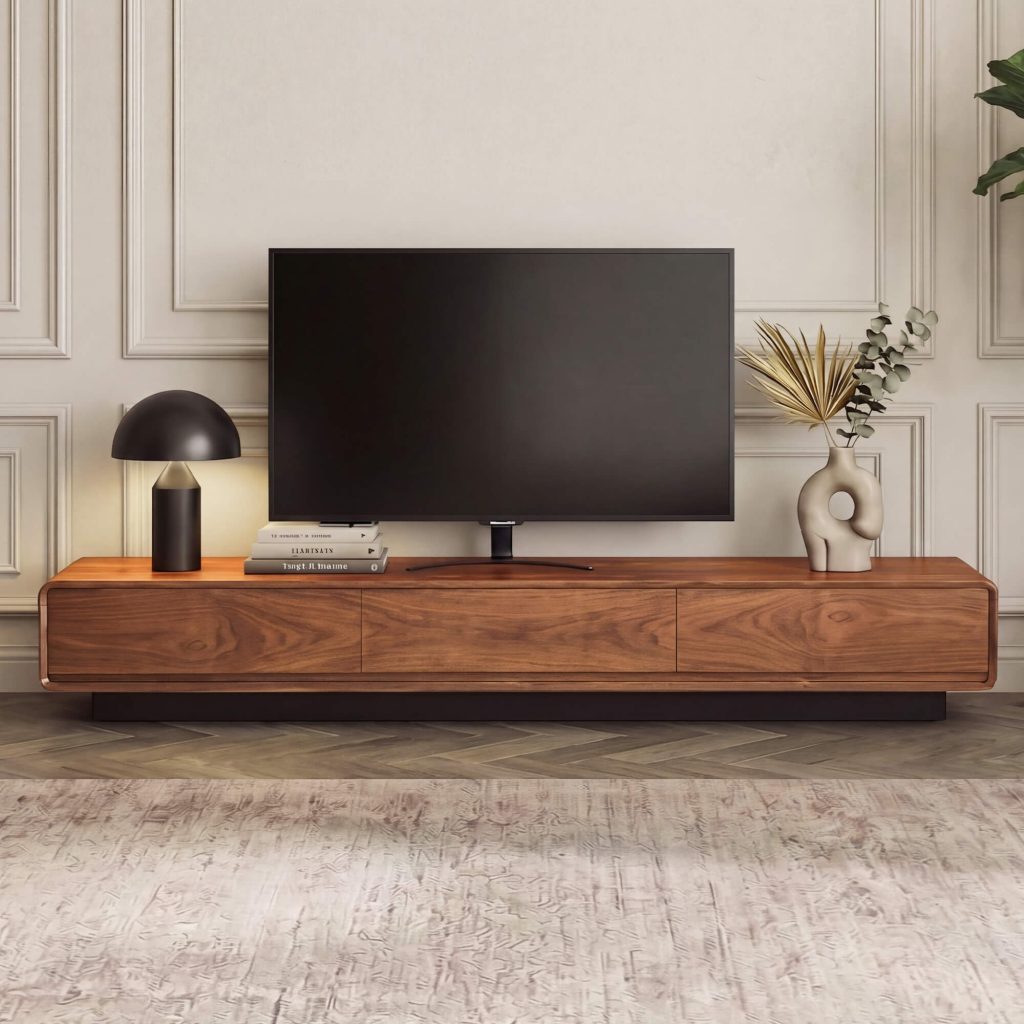
A TV stand is one of those quiet decisions that shapes a room more than most people expect. Get the proportions, materials, and storage right and the rest of the space seems to fall into place around it. Get it wrong and the room feels off no matter how carefully you style the rest. Approach the choice with the same seriousness you would give a sofa or a dining table. Measure carefully, think honestly about what you own and how you live, and let function guide form. Thoughtful brands such as CHITA LIVING show that a media console can be both practical and beautifully considered, offering the kind of everyday craft that pays back over years. When the right stand lands in your living room, it does more than hold a screen. It anchors the space, organizes your daily rhythm, and gives every evening a calmer, more finished feeling.