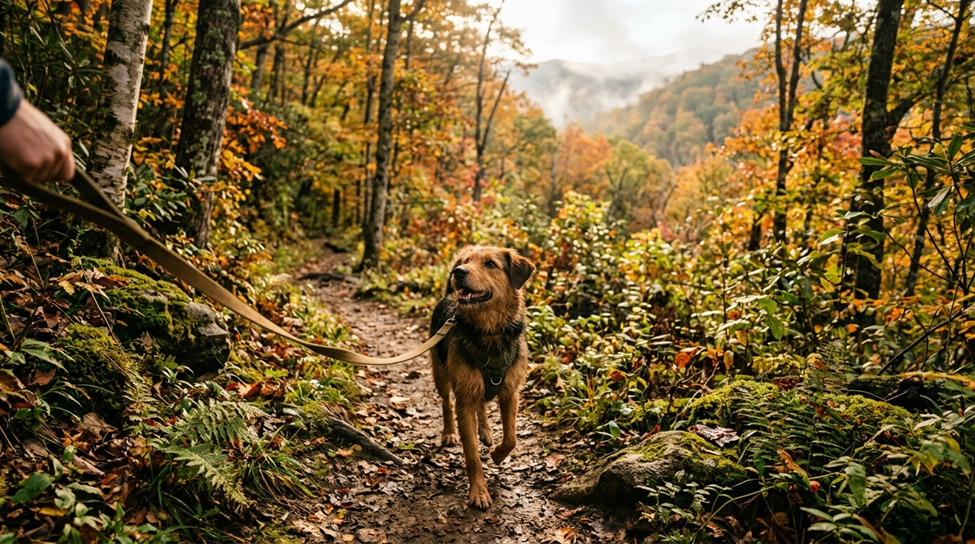
Taking a dog on the road can turn a good trip into a great one, especially in a region built for slow mornings, forest trails, and long porch sits. The Southern Appalachians offer all of that, and more towns and trailheads have grown genuinely dog friendly over the past few years.
This guide covers the practical side of planning a trip with a dog through the mountain corridors of northern Georgia, western North Carolina, eastern Tennessee, and northeast Alabama. Expect notes on lodging, trails, driving times, gear, and a few small courtesies that make everything smoother.
Choosing a Base for the Week
Pick a base that suits the dog first, then the humans. A quiet cabin with a fenced yard, a covered porch, and a short driveway matters more than a fancy kitchen when you have a young or reactive dog along for the ride.
Elevation is worth thinking about too. Summer temperatures in the higher coves stay noticeably cooler, which helps double-coated breeds settle in faster. Many travelers looking at rentals that welcome your dog gravitate toward the ridge towns for exactly this reason.
Ask ahead about pet fees, weight caps, and whether the property has a screened porch or a fully enclosed yard. Owners are usually candid, and the small details often decide whether a stay works.
Trails That Actually Work for Dogs
Not every scenic trail welcomes leashed dogs, and a few of the biggest names in the region either restrict pets outright or funnel them onto short paved sections. Plan the hikes first, then match the base to them.
Pisgah National Forest, Nantahala National Forest, the Chattahoochee National Forest, and the Cherokee National Forest all allow leashed dogs on most trails. Waterfall loops near Highlands, DuPont State Forest, and the Ocoee corridor tend to be doable at any fitness level, with plenty of shade and easy water breaks.
Great Smoky Mountains National Park is the notable exception. Dogs are not allowed on almost any trail inside the park boundary, so route around it or plan a rest day when you cross through.
Driving Distances and Rest Stops
Distances between mountain towns look short on a map and feel longer on the road. A drive from Chattanooga to Asheville runs close to four hours once you account for two lanes, weekend traffic, and the inevitable stop at a scenic overlook.
Build a break every ninety minutes. State welcome centers along I-75 and I-40 have grassy walking loops and shaded picnic tables. Small county parks off exits, easy to spot on a mapping app, are usually quieter than gas station corners.
Keep a collapsible bowl in a door pocket and a jug of cool water in a cooler. Hot asphalt is the summer risk most people underestimate, so aim for early morning or late afternoon stops when you can.
Weather, Wildlife, and Small Precautions
Weather shifts fast in the mountains. A warm valley afternoon can turn into a cool ridge evening with almost no warning, so pack a lightweight dog jacket even in shoulder season. Rain gear for the humans doubles as a picnic tarp when needed.
Ticks, snakes, and the occasional bear are all part of the region. Keep dogs leashed, check them after every hike, and stay on marked paths. A basic first aid kit with tweezers, saline, and a self-adhesive bandage handles most trailside issues.
Vet clinics in Asheville, Chattanooga, and Gainesville run late hours on weekdays, and a few offer weekend urgent care. Save two numbers to a phone before you leave home, just in case.
Small Courtesies That Go a Long Way
Pack out what you pack in, including waste bags. Trail communities across the Southern Appalachians are actively working to keep pet access broad, and every bag left behind adds pressure to reverse that trend.
At a rental, wipe muddy paws before the door, keep dogs off beds unless the listing specifically allows it, and crate or contain them when housekeeping stops by. These small habits get you invited back and keep pet-friendly listings growing across the region.
A Simple Way to Think About It
The Southern Appalachians reward travelers who pace themselves. Pick one base, learn the trails around it, and let the dog set the tempo. Everyone comes home more rested, and the photos tend to be a lot better too.